Sorry, the Crew Doesn’t Bow.
Sorry, the Crew Doesn’t Bow.
In Educational Theatre, there are video clips going viral of ensembles calling their stage hands out during the curtain call and with those, a growing trend for other groups to do the same. I understand the good-natured intention behind it. Theatre is collaborative, and the people backstage are every bit as essential to a successful production as the people standing under the lights. But I don’t think bringing the technicians onstage to bow is the best way to celebrate them. In fact, doing so misses something fundamental about what it means to be a backstage artist.

A Curtain Call Was Never the Measure of Someone’s Contribution
A curtain call is part of the performance. It is the moment when the performers step out of the world of the show and acknowledge the audience that has just watched them perform. The tradition is ancient, but the modern interpretation started in the 16th century, when European audiences would cheer for the actors after the show – calling them out – to applaud them once more. At that point, the curtain would rise. Hence the expression. This is akin to our modern day standing ovation. It is a sign of respect of the on-stage work. That doesn’t mean the people who don’t participate in it are less important.
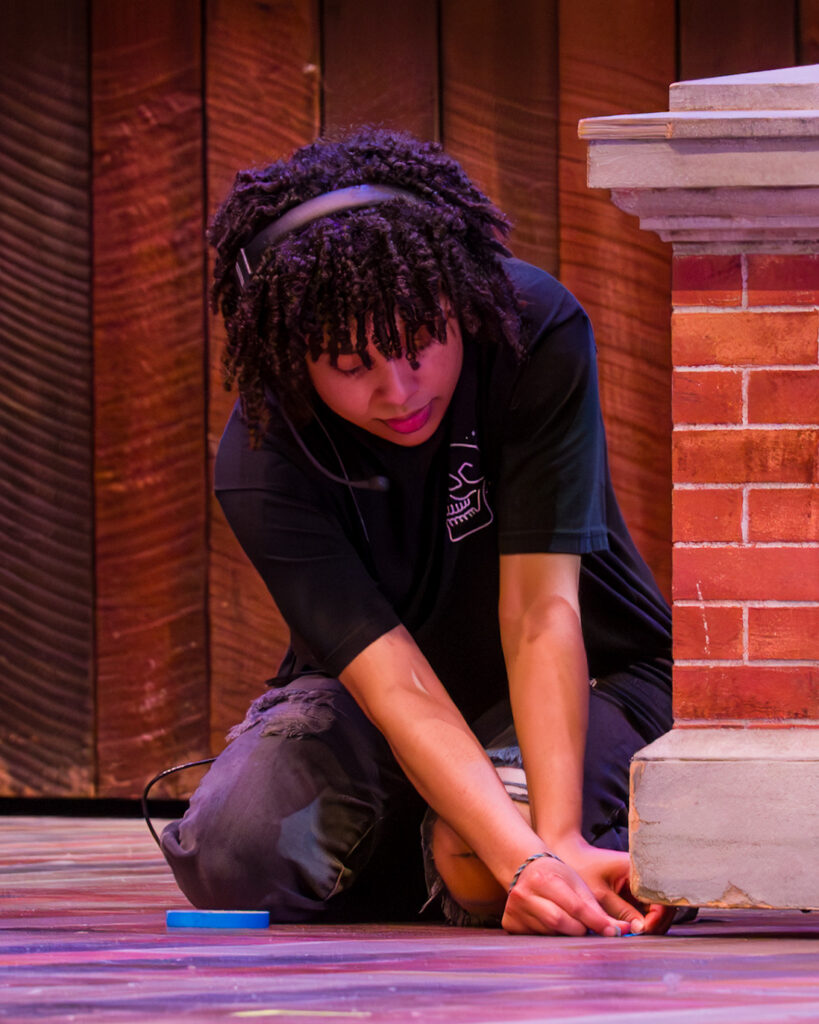
The scenic designer doesn’t become less important because they don’t bow beside the actors. Neither does the lighting designer, sound designer, costume designer, technical director, stage manager, deck crew, fly crew, board operator, wardrobe crew, props team, or anyone else whose work made the production possible.
Theatre has always depended on people whose work is experienced rather than seen.
And there is something meaningful about that.
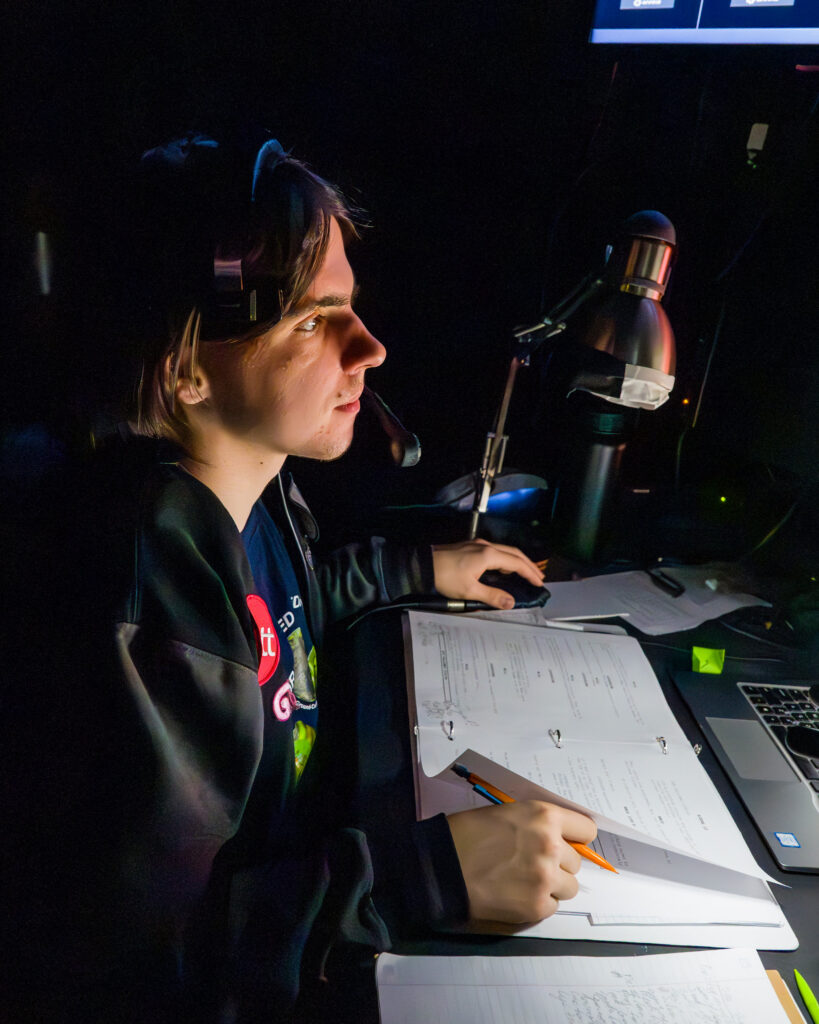
Some Crew Members Literally Cannot Come to the Stage
There is also a practical problem with the idea of a “crew bow”: not everyone can participate.
Someone may still need to be at the light board. Someone may be running sound. Someone may be securing scenery, operating a fly system, handling automation, managing the deck, preparing for the house to clear, or completing any number of tasks that continue after the actors have taken their bows. This can even lead to safety issues if stage managers are not at their posts, even for a moment.
Depending on the venue, some technicians may be several floors away, in a booth at the back of the house, above the stage, underneath it, or in a location from which getting to the stage quickly is simply impossible.
So what happens when we decide that appearing onstage is how technicians receive recognition?
We unintentionally create another hierarchy.
The crew members who happen to be physically available get applause, while the people who are still doing their jobs do not.
That hardly seems like a better system.

Backstage Artists Are Known by Their Names and Their Work
One of the things I love about technical theatre is that backstage artists build reputations differently. We are not generally known by our faces. We don’t really have headshots (thank god).
We are known by our names and more importantly, we are known by our work.
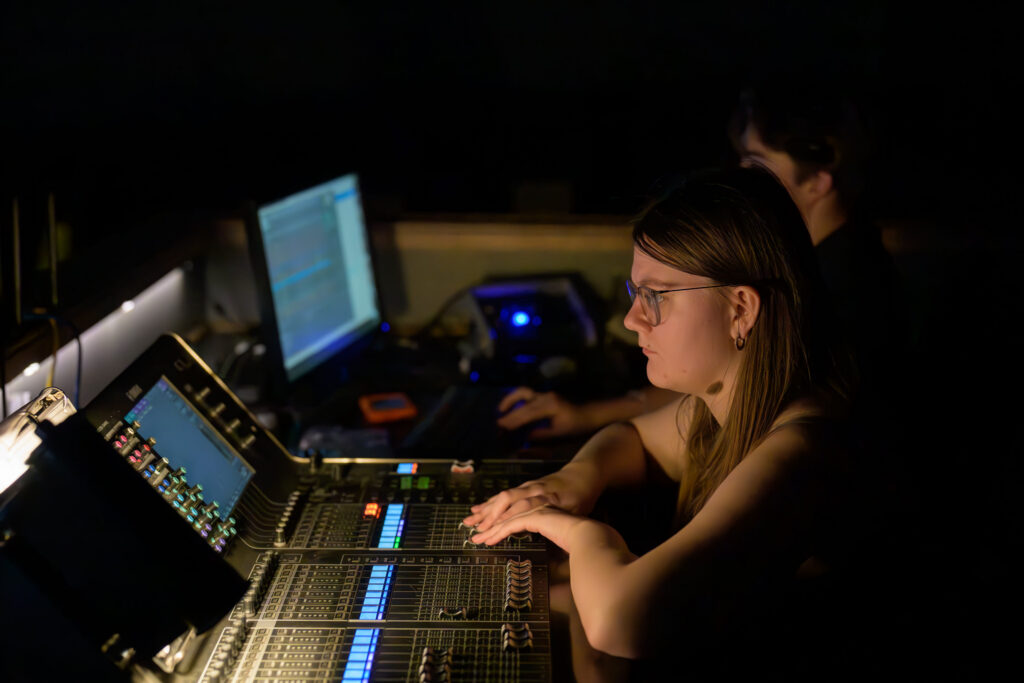
You may not recognize a scenic designer walking through a grocery store, but within the theatre community, their name can immediately mean something. You know the shows they designed. You know their aesthetic. You know the quality of their work. You know whether they are inventive, reliable, collaborative, meticulous, or capable of solving the impossible problem someone handed them three days before opening.
The same is true of technicians.
People remember the person who can make a difficult show run flawlessly. They remember the carpenter who can figure out how to build something everyone else said couldn’t be built. They remember the sound engineer who can walk into a terrible room and somehow make it sound good. They remember the stage manager who keeps a complicated production moving calmly and consistently.
That is our visibility. Our work is our calling card.

Being Backstage Is Not the Same Thing as Being Invisible
Sometimes, we confuse visibility with appreciation. Our modern world is completely geared to what is seen, we are hardwired to seek more visual input. But theatre extends into all the senses. Recognition in technical theatre doesn’t have to look like recognition for performers.The audience has already experienced our work.
They sat in the environment someone designed and built. They watched the lighting change the emotional texture of a scene. They heard the show through a sound system someone designed, installed, tuned, mixed, and operated. They watched scenery move because a crew made it move. They believed in an illusion because dozens of people they may never see made that illusion possible.
The fact that the audience doesn’t know which face belongs to which contribution doesn’t diminish the contribution.
In some ways, that anonymity is part of the craft.
When technical theatre is working beautifully, the audience often isn’t thinking about the technicians at all.
They’re simply experiencing the result.

Recognition Still Matters
This doens’t mean technicians should be overlooked.
Put their names in the program—and make those credits accurate and meaningful. Credit designers, technicians, artisans, operators, and crew members properly. Include production photos that showcase their work. Tag them when photographs of their work are shared. Mention the production team when celebrating the success of a show. Make sure directors and producers acknowledge the people who made their ideas possible.
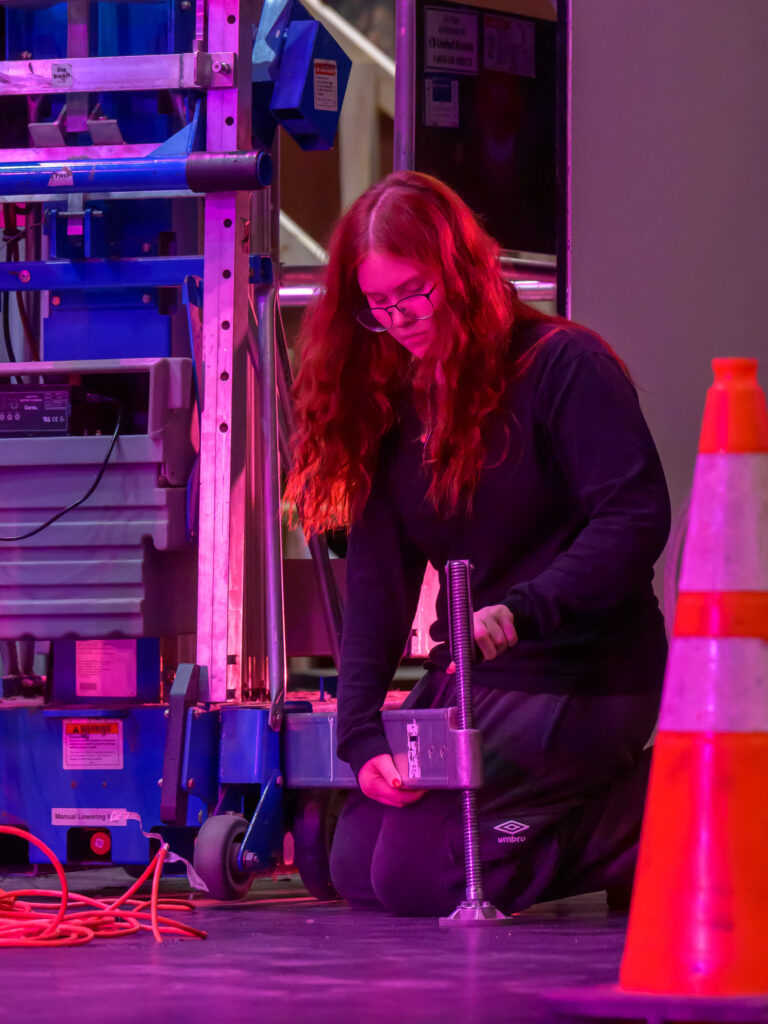
And, within the industry, learn people’s names.
Because that is where recognition can have a much greater impact than a few seconds of applause.
A technician’s next opportunity is much more likely to come because someone says, “You should call ___; they did incredible work on this show,” than because an audience saw them bow once. We are training students in the theatre to be great people, and respecting everyone on a production is a critical skill that we must continue to cultivate, even after the curtain comes down.