What Theatre Designers Can Learn from NASA: Designing with a Space Program Mindset
When most people think of NASA, they picture rockets launching into space, astronauts floating aboard the International Space Station, or rovers traversing the surface of Mars. Scenic designers, however, might be surprised to learn that many of the same principles NASA uses to solve complex engineering challenges can also elevate the way we design for the stage.
While theatre and aerospace operate in vastly different environments, they share a common goal of creating systems that perform flawlessly under pressure. A rocket gets one chance to launch; same goes for live events.
Here are several lessons scenic designers can borrow from NASA to create stronger, safer, and more effective productions.
Design Backwards from the Mission Objective
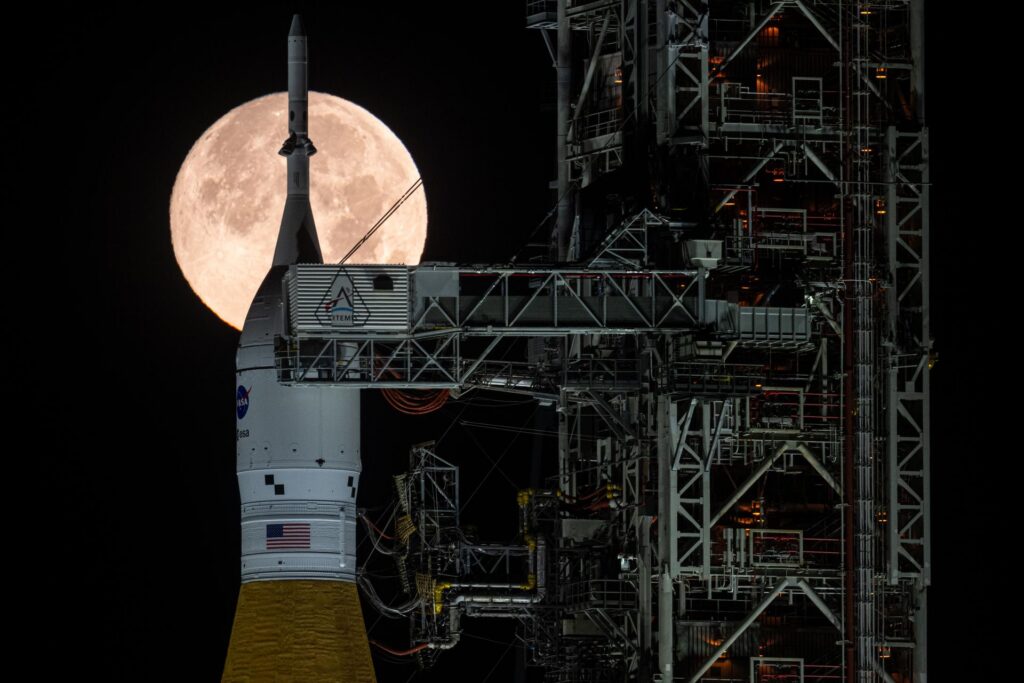
NASA begins every project with a clearly defined mission. Every engineering decision from materials to software is measured against that objective. For instance, the primary objective during the Artemis II Mission was to validate all life support, communication, and navigation systems in deep space with humans on board, paving the way for future sustained lunar missions and journeys to Mars. Having this clear, single-sentence objective is a helpful guidepost for everyone involved in a project.
Scenic designers should approach productions the same way.
Instead of asking:
“What would look impressive?”
Ask:
“What story does this scenery need to tell?”
Every platform, staircase, texture, projection surface, and scenic element should reinforce the narrative rather than simply fill space. When every design choice serves the production’s central mission, the audience experiences a more cohesive visual world.
Prototype Before You Commit
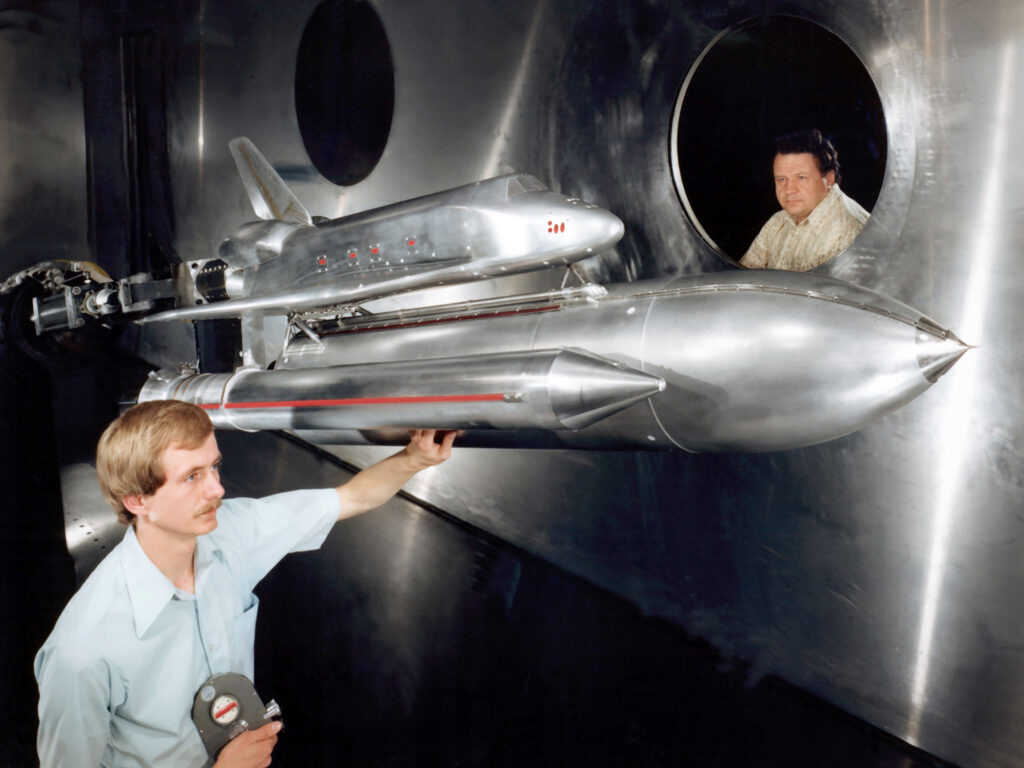
NASA rarely builds the final version first.
Engineers create scale models, computer simulations, and prototypes long before manufacturing begins.
Scenic designers often benefit from the same workflow. Build rough white models, test automation ideas, experiment with sightlines, 3D Print miniature scenic pieces and mock up paint treatments.
Finding problems in pre-visualizations, cardboard, and foam is far less expensive than discovering them after construction has begun.
Build for Failure
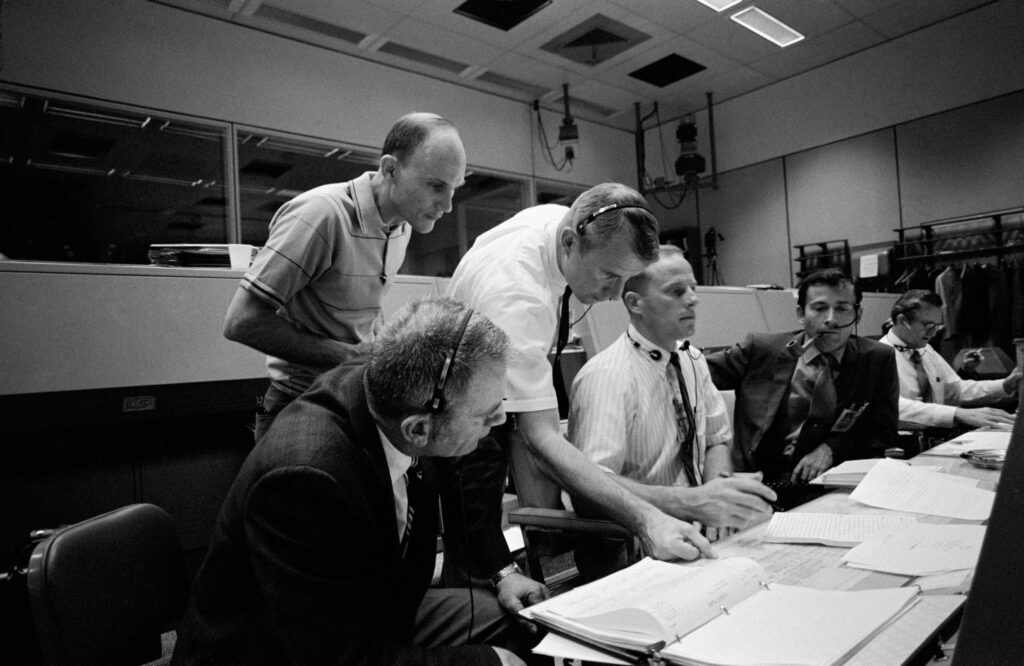
One of NASA’s defining philosophies is redundancy.
Critical systems have backups, and often backups to backups, because engineers assume something will eventually fail.
Theatre designers can adopt this mindset.
Ask yourself: Are the tolerances right to avoid a caster lock-up? If automation fails, can the scene shift manually? If a projection system crashes, can the story continue? Obviously the robustness of the design will change based on the type of show: a touring production will face much more abuse than a three-week limited run. Thinking about consistency and repeatability is an important through-line at any scale. After all, great scenic design doesn’t just create beautiful moments, it anticipates the unexpected.
Every Pound Matters
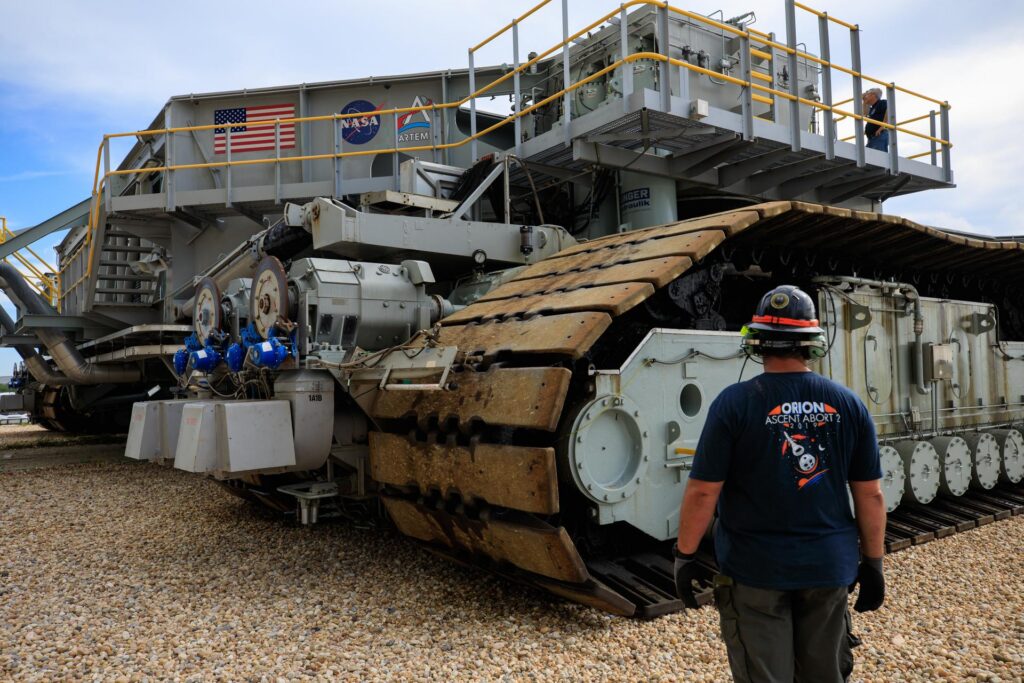
NASA engineers obsess over weight.
Every additional pound requires more fuel, changes structural calculations, and affects mission performance. Theatre designers face similar constraints.
Heavy scenery means more difficult load-ins with larger crews. It can create greater safety concerns, increase transportation costs, create engineering headaches, and slow down scene changes.
Modern materials often allow designers to achieve the same visual impact with significantly less weight.
Ask whether there is a creative approach to convey a scene, while limiting the need for additional pieces.
Design for the Humans Using It
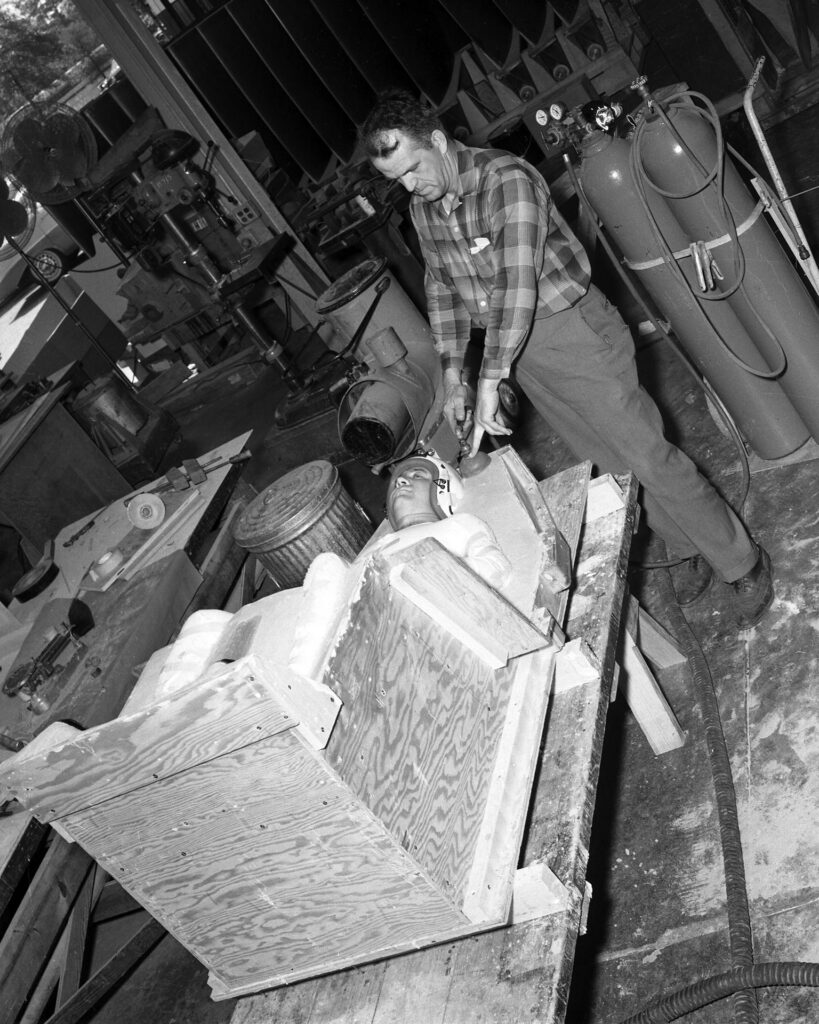
NASA spends enormous effort studying how astronauts interact with equipment.
Controls are positioned for efficiency. Handles are sized for gloved hands. Labels remain readable in stressful conditions. When engineers faced complaints from astronauts that they could not effectively use tools while dealing with a power cord, NASA collaborated with Black and Decker to create a cordless tool for the job. Making the astronaut’s job as easy, efficient, and flawlessly repeatable are at the core of NASA design.
Scenic designers should use this people based approach, too.
Can actors safely navigate the scenery in a blackout? Are stairs consistent and effortless to climb and descend? Are handholds intuitive? Is backstage traffic efficient? Can technicians reach maintenance points quickly? Good design supports the people who must use it every performance.
Test Under Real Conditions
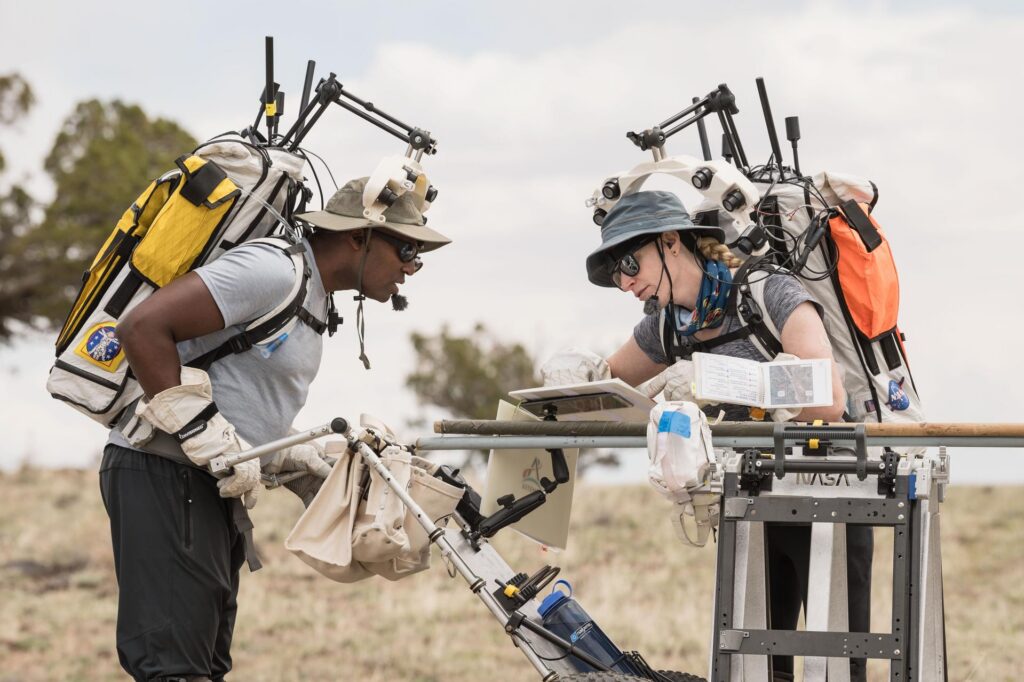
NASA doesn’t just test hardware. They test hardware in environments that mimic reality. They submerge entire mockups in a six million gallon tank, send astronauts into the desert, and force rovers to roam parking lots for weeks.
Likewise, scenery should be evaluated under real show conditions. Finding ways to incorporate other disciplines as early as possible will avoid major changes or regrets on the back end.
Interdisciplinary Collaboration Creates Better Designs
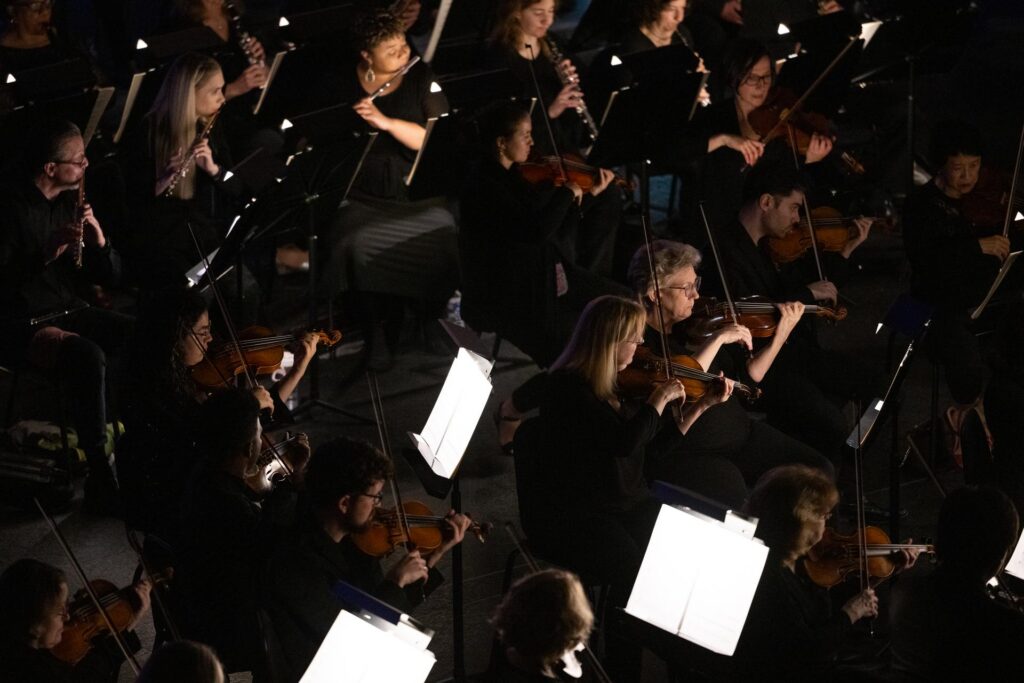
NASA missions succeed because engineers, scientists, software developers, technicians, medical experts, and operations teams collaborate continuously. These collaborations have even gone further, as in the photo above when Henry Dehlinger set a full symphony to video and space imagery from NASA.
Theatre functions the same way.
Scenic designers should regularly seek input from all stakeholders as often as possible. This can look like asking the LD about paint choices for a grate in the floor that gives the audio department a place to hide a monitor speaker, and making sure the choreographer is aware of these texture change areas on the set. Looking out for one another is just what we do in the theatre.
In the end, the strongest scenic concepts emerge when they support and not compete with the work of the entire production team.
Simplicity Outperforms Complexity
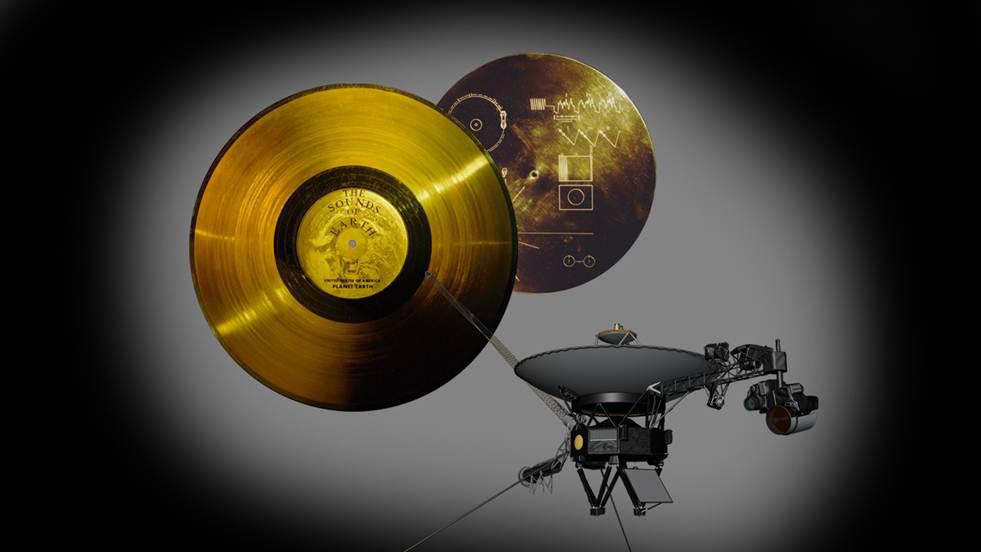
Many of NASA’s most elegant engineering solutions are surprisingly simple. Mission leadership wanted The Voyager spacecrafts to carry messages of humanity into deep space. What does communicating with the unknown look like? Engineers decided to encode gold phonographs with hundreds of images and sounds of humanity. They even recorded human brain waves. The development of these discs took more than a year and they are truly beautiful.
NASA engineers describe good engineering as achieving maximum performance with minimum complexity and minimum mass. They don’t remove material just to save weight—they remove everything that doesn’t contribute to the mission.
Scenic designers can adopt the same mindset by asking one question throughout the design process:
“Does this element actively help tell the story, improve safety, or support the production? If not, can it be simplified or eliminated?”
That philosophy often leads to scenery that is not only more efficient but also more visually refined, because every component has a clear purpose.
Simple systems are easier to repair, easier to train, more reliable, less expensive, and more adaptable when necessary. Sometimes restraint is the boldest design choice.
Documentation Is Part of Design
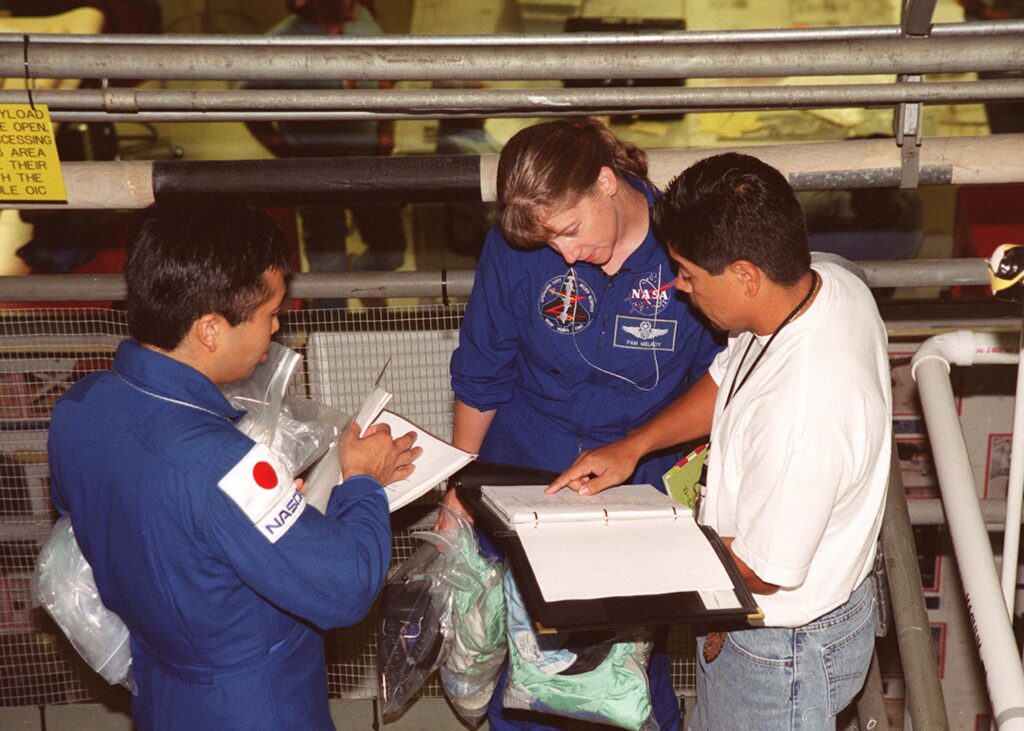
NASA documents everything.
Drawings. Procedures. Checklists. Maintenance schedules.
This is not only to reference in the future to study successes and failures, but by looking at a project through the black and white lens of paperwork, we can find new ideas within a concept.
Thorough documentation is invaluable to the fabrication team, the lighting department, the sound department, maintenance teams, facility managers, and more. Even students at high school and university programs look to professional paperwork to improve their own processes.
Clear documentation is a critical tool for every designer, and is a beautiful element of a design package.
Never Stop Improving
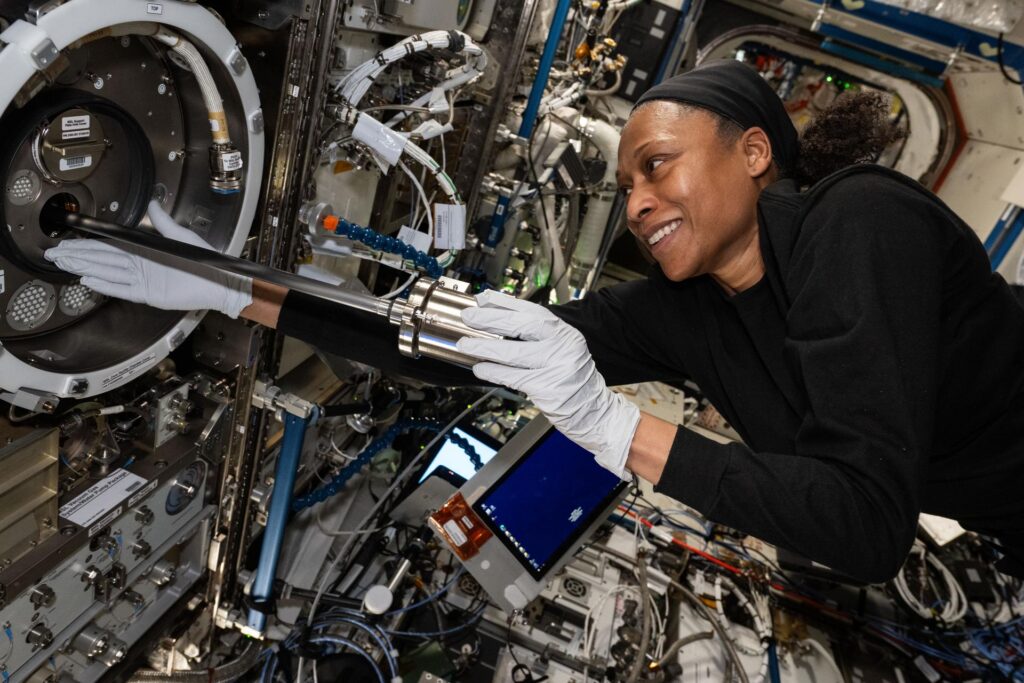
Every NASA mission informs the next. After each launch, engineers analyze what worked, what failed, and what could improve. Scenic designers can develop the same habit.
After every production, keep a log of some personal responses to these questions: What worked well? What could have worked better? What moments delighted you? What would you do differently if you got to do it again? Keeping a production journal builds a reference library that might help avoid a previous pit fall, and improve on ideas in the future.
Looking Beyond Theatre
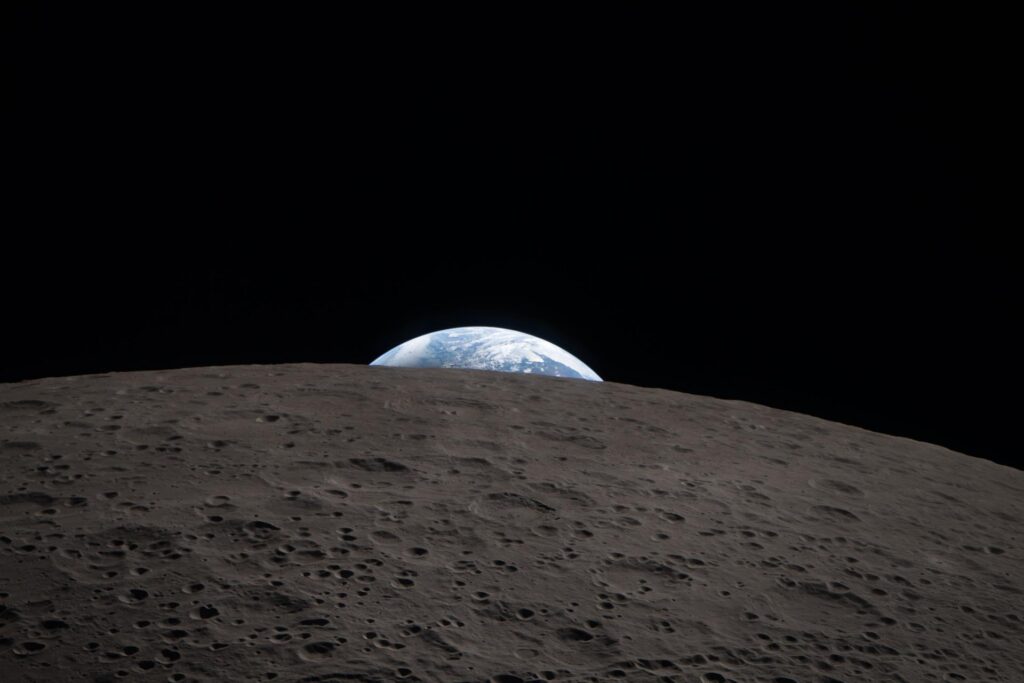
The most innovative scenic designers often draw inspiration from outside the performing arts.
Architecture teaches structure, industrial design teaches usability, psychology teaches audience perception, and NASA teaches disciplined creativity
At first glance, a lunar lander and a Broadway stage seem worlds apart. Yet both are carefully designed environments where every decision matters, every collaborator contributes, and every detail serves a larger mission.
Whether you’re building scenery for a school musical, a community theatre production, or a professional performance, adopting even a few principles from NASA can lead to designs that are more intentional, more reliable, and ultimately more compelling.
After all, great design isn’t about making something look impressive, it’s about making something work beautifully.
Special thanks to the NASA Image and Video Library for use of their archive for this article.