The Pursuit of Excellence: Establishing Professional Standards in Educational Theatre
The Pursuit of Excellence: Establishing Professional Standards in Educational Theatre
How do you give students a professional experience within a high school setting?
Maybe you’re an English teacher that has been tasked with teaching a technical theatre class. Maybe you are a seasoned theatre teacher looking for a way to harness the frantic energy of students back stage. However you found this article, I’m glad you’re here. Let’s take a few minutes and discuss establishing and maintaining professional standards in any educational setting.
It’s all about Respect.

Photo By Roger Manning
Establishing respect is the single most important thing a theatre teacher can do.
When you treat your crew like professionals (many students with four years of backstage experience ARE essentially qualified to do the job professionally) they will rise to that expectation. Students who are given ownership of their program often show incredible focus, accountability, and work ethic. They do deep dives and spend time learning and honing their craft. Our kids are busy, but not “theatre teacher busy” your crew has more collective time to achieve goals when you let them. Respect, in this context, also means trust—trusting student leaders with real production responsibilities while you maintain the overall standard of excellence.
But respect is a two-way street.
While you are extending the opportunity to be part of something great, students must also demonstrate that they want to be part of that culture. That shows up everywhere:
- Stage managers running efficient rehearsals
- Safe practices in the scene shop
- Clean, intentional paint work
- Proper cable management backstage
No matter your budget, program size, or number of productions, excellence is achievable. The approach is consistent from a classroom one-act to a main stage musical.
Why Excellence Requires Consistency
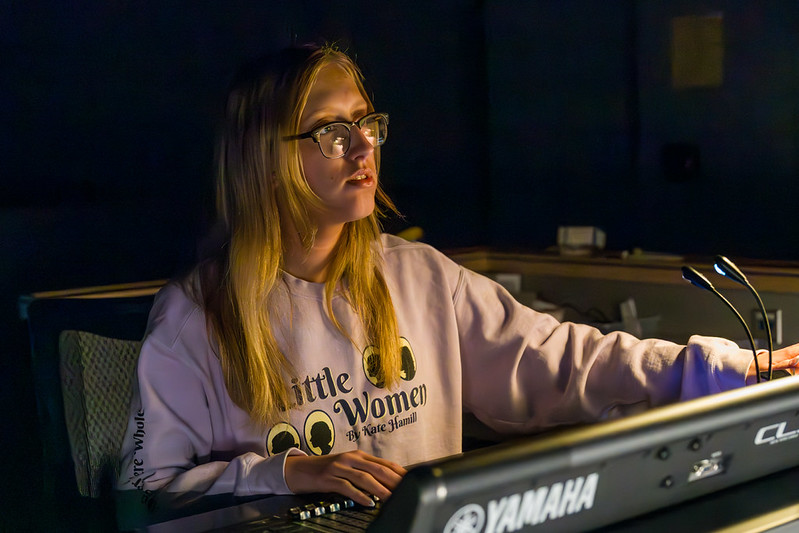
Photo By Roger Manning
Building that culture isn’t easy—it takes constant reinforcement.
The first time a student skips sweeping the shop or cuts a corner without correction, that behavior becomes the new standard. And because it’s easier, it can spread.
Early on, you will face pushback. Some students will test boundaries or resist expectations. Stay consistent.
Over time, something powerful happens:
- Students who don’t align with the culture naturally move on
- Students who experience success begin to take pride in the work and encourage other to do the same
- Excellence becomes the norm—not the exception
Eventually, your program starts to run on shared expectations rather than constant correction. Members of organizations that operate at high levels recruit others that want to do the same, and so your program grows.
The Gap in Technical Theatre Training
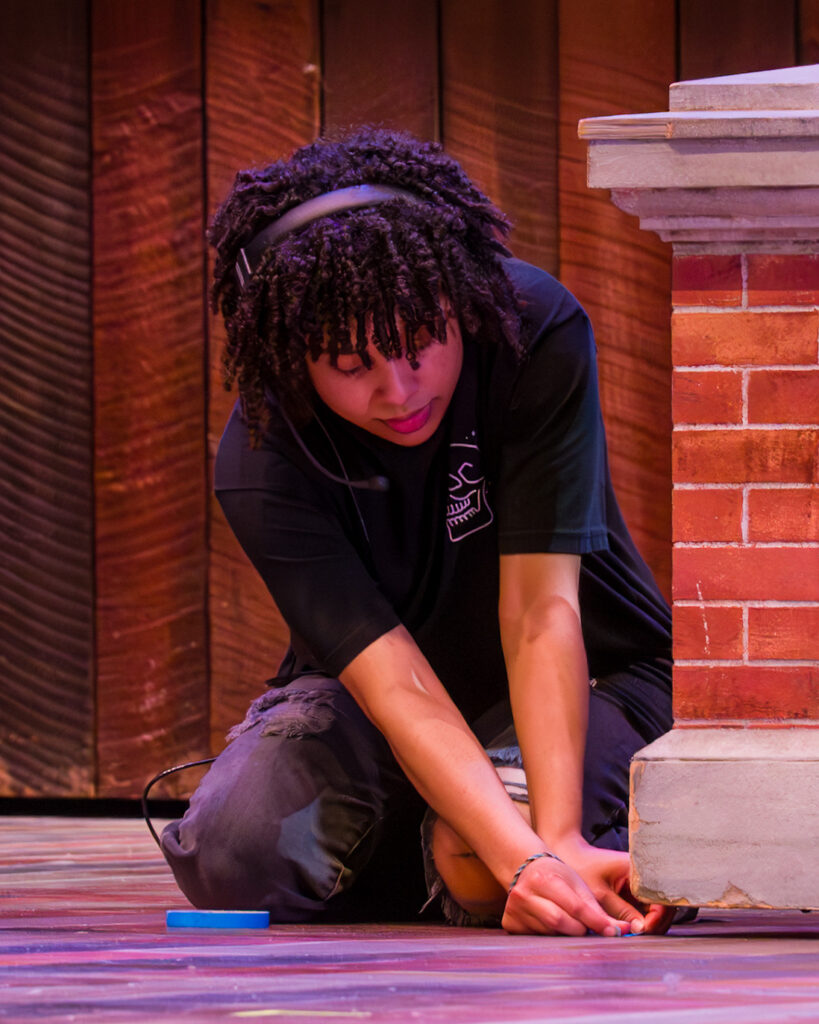
Photo By Roger Manning
I’m going to say the quiet part out loud: There’s a clear gap in how we train students onstage versus backstage.
When a student shows interest in acting, families often invest in:
- Voice lessons
- Acting classes
- Dance training
- Summer intensives
These students build skills outside the classroom from an early age but backstage students rarely get the same opportunities. Part of that is access—there aren’t many costume design or stage management after school programs for high schoolers . But part of it is mindset, too. Many of us learned technical theatre “on the fly,” and we unintentionally pass that same approach on to our students.
It’s time to change that. There is great work happening to unify the basic concepts that an average stage technician should know. The United States Institute for Theatre Technology (USITT) is even offering a certification exam called BACKstage that is recognized officially in several states for employability certification.
Who to Recruit for Your Technical Theatre Program
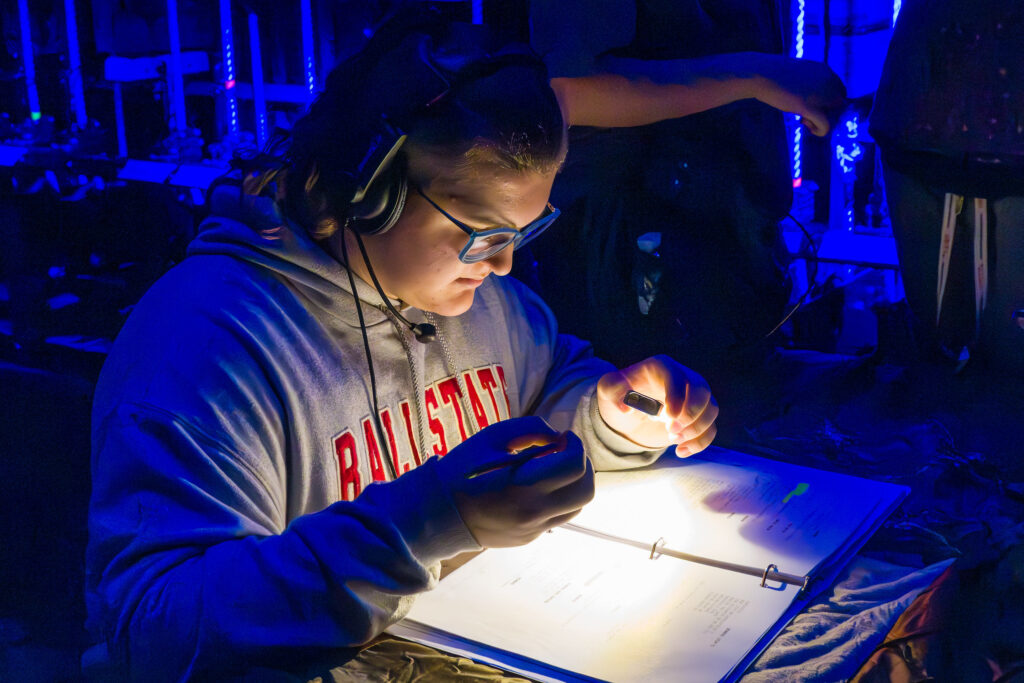
Photo By Roger Manning
While there will always be a place for actors backstage who did not get a part in the show, start intentionally recruiting students with the strengths in skillsets that align with backstage work. Be present in your building outside of your wing and start talking to students. You may be offering a new passion to someone who doesn’t even know it yet.
Look for these three personality types:
The Problem Solver
- Thinks creatively and approaches challenges from new angles
- Finds solutions others might miss
The Organizer
- Keeps everything structured, labeled, and planned
- Communicates schedules and deadlines clearly
The Expediter
- Jumps in wherever needed
- Brings a positive attitude and gets things done
Skills can be taught. But these natural aptitudes are key indicators that students can be amazing backstage leaders. These students are the backbone of a strong crew.
With the right training and trust, they won’t just support your productions—they’ll elevate them.
Applying Performance-Level Training Backstage
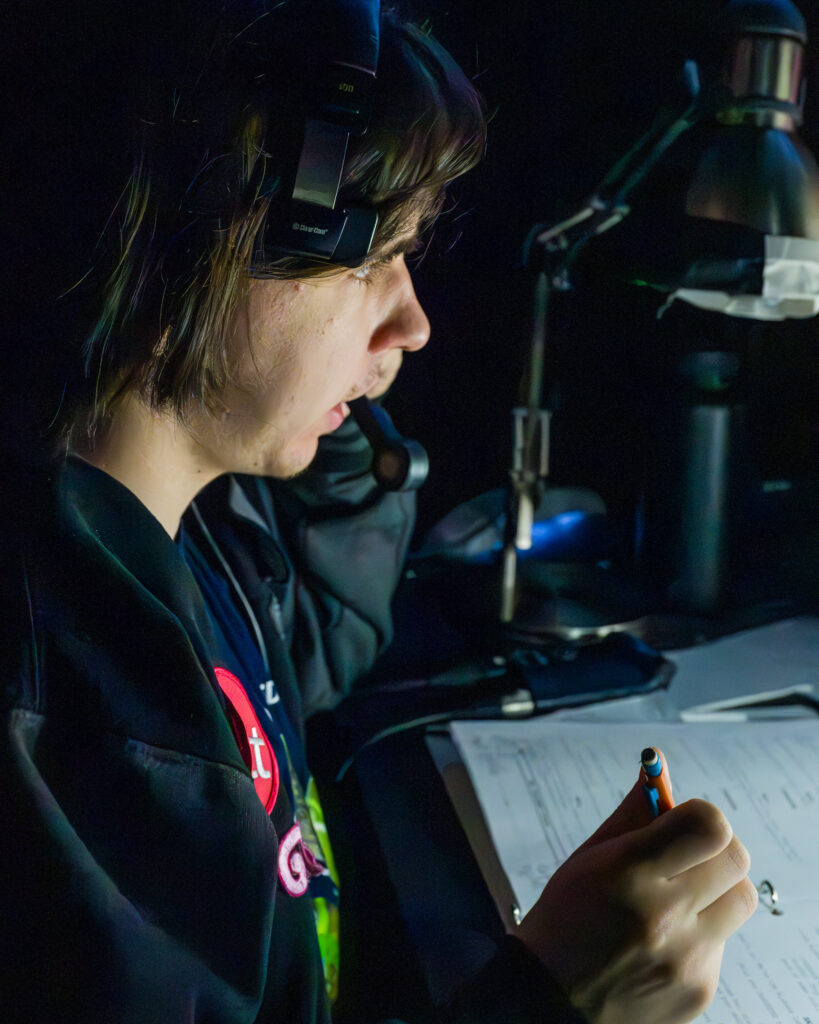
Photo By Roger Manning
Even without formal extracurricular programs, we can bring the same level of intentional training to technical theatre in our classrooms and during rehearsals and performances.
Start by:
- Teaching skills progressively, not reactively
- Encouraging exploration and then specialization (lighting, sound, stage management, etc.)
- Structuring advanced classes to allow deeper focus in specific areas
When students are given space to grow within a discipline, their confidence and capability increase dramatically. Students who develop these skills in high school can get summer work and overhire jobs right after high school. These jobs can lead to others and become career paths.
Final Thoughts
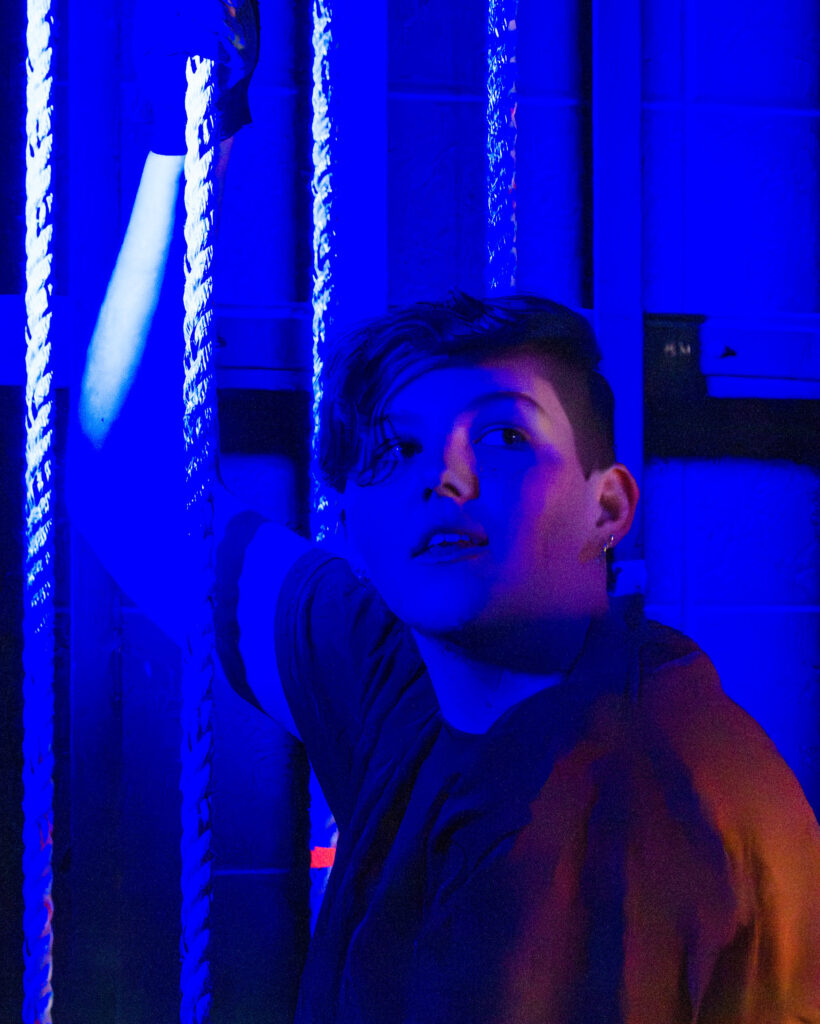
Photo By Roger Manning
A culture of excellence doesn’t happen by accident—it’s built through respect, consistency, and intentional teaching.
When you trust your students, set clear expectations, and invest in their development, they will exceed what you thought possible.
And over time, excellence stops being something you enforce—it becomes simply what you do.
Andrew Okerson is the Technical Director and Resident Scenic Designer at Carmel High School in Carmel Indiana. The performing arts department at Carmel is nationally recognized for their outstanding offerings. Andrew is also a USITT and EdTA member.